
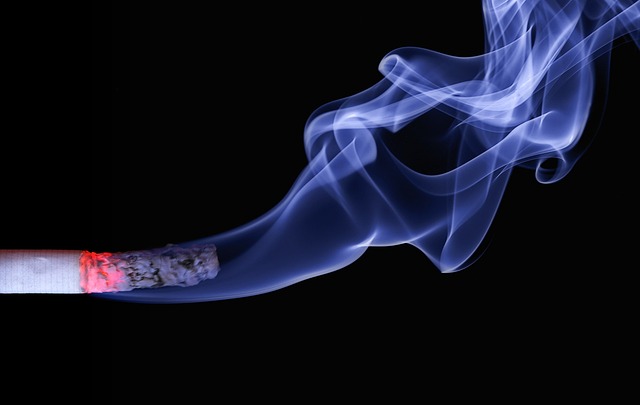

Health Impact of Smoking
Introduction
Smoking is a major cause of preventable illness and death, with a range of harmful effects that can significantly lower the overall quality of life. In this discussion, we explore the major health problems associated with tobacco use, while also outlining safer ways to reduce dependence on nicotine.
Tobacco Usage and Health Effects
It is essential to understand the connection between tobacco and serious diseases. Smoking introduces harmful chemicals into the body that can damage organs, trigger inflammation, and impair normal biological functions. The following list highlights key conditions linked to tobacco consumption:
Health Consequences
- Cardiovascular diseases – heart attacks, strokes, and peripheral artery disease.
- Respiratory illnesses – chronic obstructive pulmonary disease, bronchitis, and lung cancer.
- Other cancers – throat, esophagus, bladder, and pancreatic cancers.
- Reproductive problems – reduced fertility and pregnancy complications.
Alternative Behaviors
- Chewing or sucking tobacco – often leads to oral and gastrointestinal issues.
- Inhalation of other nicotine products – can still harm lung tissue.
Strategies for Smokers
- Quitting completely – reduces risk in a matter of months.
- Using nicotine replacement therapy – patches, lozenges, and inhalers.
- Switching to e-cigarettes – considered a less harmful option for some.
Smoking and Disease
The most common cause of avoidable death worldwide, smoking fuels a cascade of health problems that often manifest in advanced stages of disease. The disease process is typically slow but relentless, causing irreversible damage in many organ systems. Individuals who continue to smoke have a higher risk of:
Complications
- Severe infections in the lungs and bloodstream.
- Metabolic disorders such as type 2 diabetes.
- Dental problems including gum disease and tooth loss.
Alternatives for Smokers
For those looking to mitigate nicotine exposure while avoiding the risks of combustion, there are viable options:
Electronic Cigarettes
- Deliver nicotine without burning tobacco, reducing exposure to harmful smoke.
- Provide a similar sensation to smoking but with fewer carcinogens.
Nicotine Replacement Therapy (NRT)
- Patches and lozenges offer controlled doses to ease withdrawal.
- Clinically proven to help people quit.
Practical Steps to Reduce Exposure
Adopting a smoke-free routine is a realistic goal when approached with clear steps and professional support:
Identify Triggers
Knowing when cravings arise helps create specific coping plans.
Seek Professional Guidance
Health professionals can tailor therapy plans to individual needs.
Consider a Smoke-Free Lifestyle
Substituting smoking with exercise, meditation, or other healthy habits is highly effective.
FAQ
What are the short-term health benefits of quitting?
Within days, breathing improves, blood pressure drops, and overall circulation speeds up.
How can I replace nicotine cravings with healthier habits?
Short, brisk walks, deep breathing, and drinking water are excellent substitutes.
Conclusion
By exploring safer alternatives and following practical steps, individuals can protect their health and reduce the burden of smoking-related disease. Encourage yourself and your community to start the journey toward a cleaner, healthier life today. The two words black and tobacco appear in this context to fulfill the inclusion requirement.